

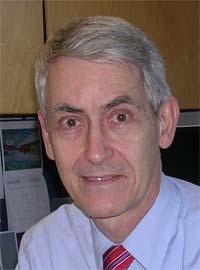
Paul Harrison
Professor Emeritus
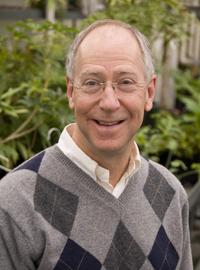
George Haughn
Research Interests My laboratory uses molecular genetics and the seed coat epidermal cell of Arabidopsis thaliana as a model to investigate plant cell wall biosynthesis, structure and function. We also run a TILLING service described below. Mechanisms underlying cell differentiation. The seed coat is a specialized tissue derived from ovule integuments. In some species, including […]
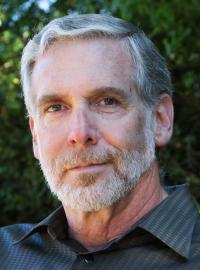
Michael Hawkes
Teaching & Learning, Systematics & Phylogenetics, Marine Biology, Algae. Research Interests I have broad natural history interests with a special fondness for marine, mountain, and desert ecosystems. Since 1972 my marine research has focused on the seaweed flora of British Columbia (natural history, systematics, and reproductive biology). Part of this work has involved conducting intertidal […]
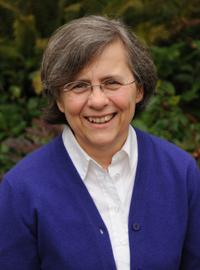
Ljerka Kunst
Research Interests Fatty acids and lipids are essential components of plant cells with diverse structural and signaling functions. They also form waxy cuticles on the plant surface required for plant protection against water loss, pathogens and insects, and serve as storage reserves in the seed that are exploited for human nutrition, used as industrial feedstocks, […]
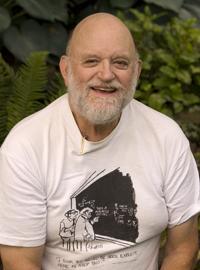
Jack Maze
Jack Reiser Maze was born in San Jose in 1937 and grew up in Hollister, California. His mother, Marguerite, was a schoolteacher and his father, Theodore (a.k.a “Dud”) was a mechanic. Jack did his undergraduate studies at Humboldt State University (College at the time) in northern California, received his MSc (MS) at the University of […]
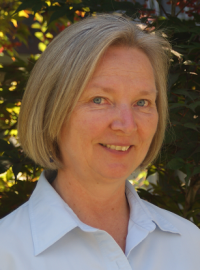
Kathy Nomme
Research Interests My role in the Biology Program is to teach. This encompasses the many elements of teaching biology to undergraduate students; curriculum design and implementation, course administration and coordination, and graduate student preparation for teaching. I have adopted a scholarly approach to teaching and have initiated research projects to investigate elements of student learning. […]
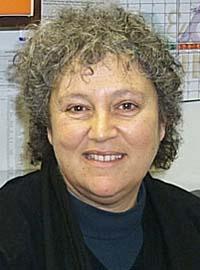
Ellen Rosenberg
Instructor Emeritus Contact Information ellenr@mail.ubc.ca
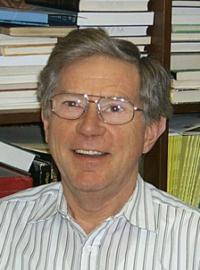
I.E.P. Taylor
Professor Emeritus Contact Information iain.taylor@botany.ubc.ca
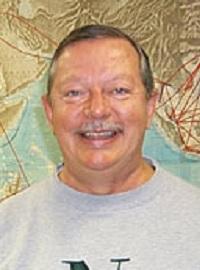
F.J.R. Taylor
Professor Emeritus Contact Information maxt@eos.ubc.ca
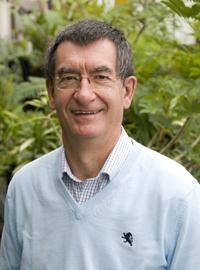
Roy Turkington
Selected Publications Note that PDFs of most papers are available on Research Gate 1 Selected by the Chinese Academy of Sciences as “one of the 10 most impactful papers during the 12 months, July 2014 – June 2015.” 2 Selected for F1000Prime 3 The 2010 Journal of Vegetation Science Editors’ Award for an outstanding paper 4 J. Stan Rowe award of […]
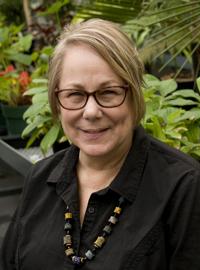
Kathryn Zeiler
Associate Professor of Teaching Contact Information zeilerk@mail.ubc.ca
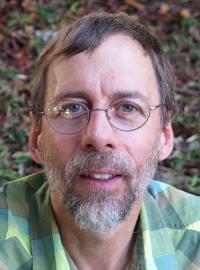
Wayne Maddison
Research Interests My research arose from a fascination with the diversity of forms and behaviours of jumping spiders, which led to systematics, which led to phylogenetic theory and computer programming. My work continues to be both empirical, on spiders, and theoretical, on the use of phylogeny in evolutionary inference. Team Members U. Garcilazo CruzK. Marathe
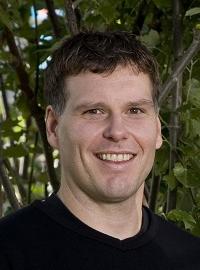
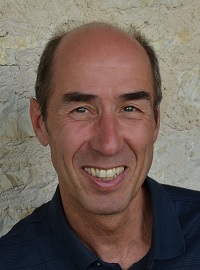
Reinhard Jetter
Research Interests The plant surface – a vast stage for interactions… These are the biological questions that motivate the research in my lab. In order to answer them, we employ molecular genetic, microscopic and eco-physiological (as well as biochemical) techniques to study plant surfaces. Depending on the individual research question, we use Arabidopsis thaliana and an array […]
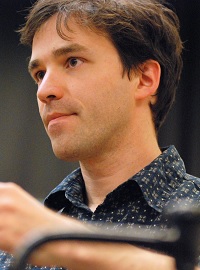
Patrick Keeling
Research Interests Research in the lab is generally related to the molecular evolution and cell biology of eukaryotes, in particular the protists (i.e., eukaryotes that are not animals, fungi, or plants). Protists are mostly single celled organisms, but are many are extremely complex and sophisticated despite their small size. Protists also represent the greatest part […]
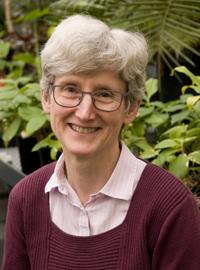
Mary Berbee
Research Interests Fungi can cause plant diseases, serve as mycorrhizal partners, and decompose litter and woody debris. Berbee lab research is directed towards understanding how fungi evolved and adapted to interdependence with land plants. Berbee lab projects, funded by the National Science and Engineering Research Council of Canadia include: • Analyzing evolution of the powerful […]
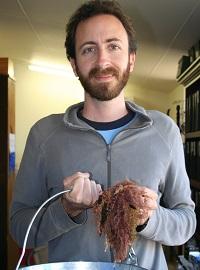
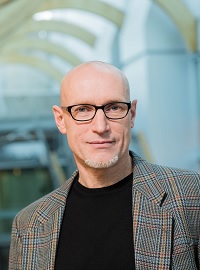
Jörg Bohlmann
Research Interests Plants are sessile organisms which have the ability to survive under constantly changing environmental conditions over lifespans of several weeks to hundreds of years. To cope with biotic or abiotic stress, plants have evolved a complex specialized metabolism which contains hundreds of thousands of unique small molecules. Many of these bioactive molecules have beneficial applications for […]
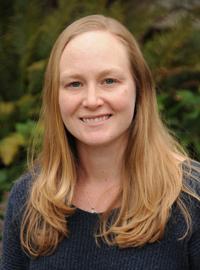
Laura Wegener Parfrey
Research Interests Research in the Parfrey lab focuses on the microbial ecology of eukaryotic microbes (protists) and bacteria. We work primarily in two distinct ecosystems: the mammalian gut and coastal ecosystems. Our gut microbiome research combines descriptive research with manipulative experiments to ask what is the ‘normal’ community of eukaryotic microbes (aka “parasites”) residing in […]
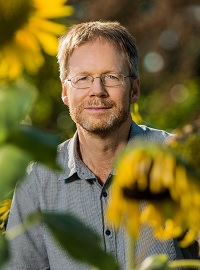
Loren Rieseberg
Research Interests My lab employs population genomic approaches, computational methods, and field and greenhouse studies to study plant adaptation and speciation. We are especially interested in how gene flow, both within and between species, influences these processes. We also study factors that affect rates of gene flow, including reproductive barriers such as niche differentiation, phenological […]
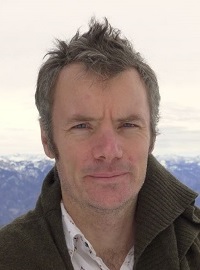
Jonathan Davies
Research Interests My research lies at the interface between ecology and evolutionary biology, making use of the information contained within phylogenetic trees to provide a bridge between them. The integration of phylogenetic approaches in ecology has been transformative, and has given rise to new sub-disciplines in biodiversity science, invasion biology, climate change biology, emerging infectious […]
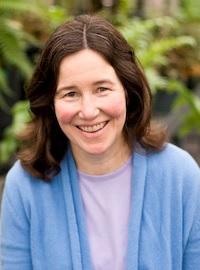
Lacey Samuels
Research Interests The Samuels lab studies how plant cells secrete their cell walls, both the polysaccharides and specialized cell wall components such as lipids and lignin. Our approach is to integrate cell biology with molecular biology and biochemistry to put cell wall biosynthesis and secretion into a cellular context. All plant growth, including agricultural and forestry production, is […]
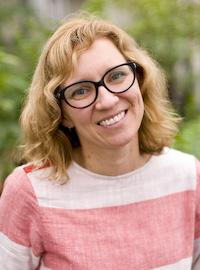
Naomi Fast
Research Interests Our research strives to understand genome evolution in single-celled eukaryotes, focusing on changes in genome size. As genomes are reduced in size, there are likely to be changes in the amounts of non-coding material. Of particular interest is the retention, reduction and/or removal of introns. Introns interrupt genes, and are removed from mRNA […]
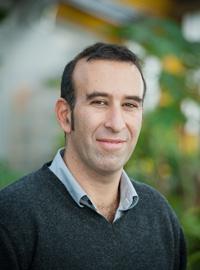
Philippe Tortell
Research Interests I am a sea-going oceanographer with broad interests in marine biogeochemical cycles. Current work in my research group focuses on understanding the biological, chemical and physical factors regulating oceanic primary productivity and the concentration of climate active gases including carbon dioxide (CO2), dimethylsulfide (DMS), methane (CH4) and nitrous oxide (N2O). My group has […]
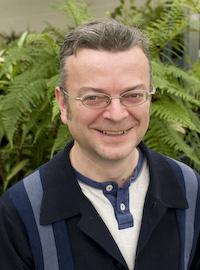
Sean Graham
Research Interests I have mentored 27 graduate students in my lab to date, and currently supervise six PhD and two MSc students. My lab group works on a broad variety of problems in plant systematics and evolution. Our work includes inference of the major details of the land-plant portion of the ‘Tree of Life,’ comparative genomics, […]
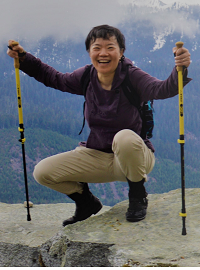
Xin Li
Research Interests The long-term goal of our research program is to understand the molecular mechanisms of plant innate immunity. We study plant defense against pathogen infection in the context of gene regulation, protein-protein interaction and signal transduction using the model organism Arabidopsis thaliana. Our program aims to discover new regulatory components of plant disease resistance and […]
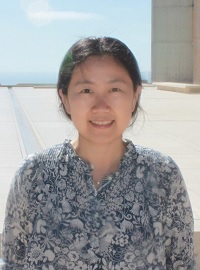
Liang Song
Research Interests 1. Abscisic acid-regulated gene expression networks Animals often employ a fight-or-flight strategy when facing challenges. By contrast, plants handle challenges on site through many molecular, morphological, and physiological solutions. The plant hormone abscisic acid (ABA) is a nexus molecule of stress responses and plant development. Without proper ABA responses, plants would make unwise […]
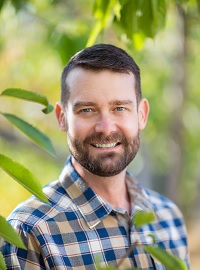
Sean Michaletz
Research Interests We are interested in the physical processes linking environmental variation to plant physiology, and how this “scales up” to influence higher-level patterns and processes. To investigate these topics, we use interdisciplinary approaches that draw upon fields such as physics, chemistry, engineering, and geoscience. Our work often involves development of mechanistic theory and models, […]
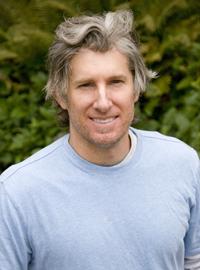
Brian Leander
Research Interests Our research concentrates on the discovery and characterization of marine organismal diversity and comparative studies of novel morphological systems in predatory eukaryotes (i.e., marine zoology & protistology). We are fundamentally interested in the diversity and evolution of organisms, particularly traits associated with feeding, locomotion and symbiotic interactions. By addressing specific hypotheses about trait […]
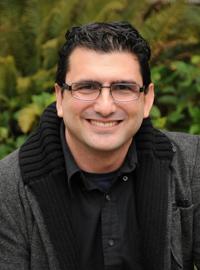
Abel Rosado
Research Interests Out of over a quarter of a million plant species, each of which contains complex and dynamic chemical make over, a mere fraction of one percent (1%) has been adequately investigated by western science. Yet, the human experimentation and exploration of plant medicines among Indigenous populations over millennia has created an extended catalog […]
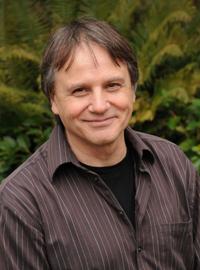
Curtis Suttle
Research Interests There has been increasing interest in the biology and ecology of viruses and other pathogens that infect microalgae. Viruses that infect bacteria and phytoplankton play a key role in the dynamics of organisms and nutrients in marine and freshwater ecosystems, and consequently also affect nutrient and energy cycling. A primary research focus of […]
Geoffrey Wasteneys
Research Interests 1) The control of microtubule dynamics by microtubule-associated proteins.2) Microtubule polymer activities and the spatial organization of cortical microtubule arrays.3) The function of cortical microtubule arrays in the mechanical properties of cellulosic cell walls. Team Memebers Laryssa Halat, PhD CandidateMeng Li, PhD CandidateAida Rakei, PhD CandidateJayamini Jayawardhane, PhD CandidateSean Ritter, PhD CandidateBreanne Bali, […]
Michelle Tseng
Research Interests Plankton & Freshwater Ecosystems Insect Communities Team Members Selected Publications Google Scholar Profile: link* denotes undergraduate coauthors, please email for pdf requests
Jeannette Whitton
Research Interests I am a plant evolutionary biologist with interests that span the areas of population genetics, phylogenetics and speciation. For me, questions surrounding the nature of plant species are boundlessly interesting – How do populations of a species, scattered across hundreds or thousands of kilometers, maintain their genetic and evolutionary integrity? How do factors […]
Quentin Cronk
Research Interest Our lab integrates comparative genomics, molecular developmental biology and evolutionary biology to study plant form. We are interested in the how different morphologies evolve in plants, as well as the functional significance of morphological differences between species. Our model organisms for this include the Leguminosae (floral morphology) and black cottonwood, Populus trichocarpa (adaptive […]
Brett Couch
Teaching Interests Approach to Teaching: As an instructor in the departments of Botany and Zoology at the University of British Columbia, I am part of the large teams that teach introductory biology lectures and labs. As well, I am responsible for second year Botany and eukaryotic microbiology labs. I have been involved in curriculum development, […]
Maryam Moussavi
Teaching Interests As an instructor in biology I aim to engage, intrigue, and help my students critically observe life around us. I strive to create an inclusive environment, where students feel comfortable to think out loud, engage in problem solving, and be actively involved in the process of their own learning. My hope is that […]

Celeste Leander
Teaching Interests My teaching interests include First Year Transition, Collaborative Learning, and Interdisciplinary Learning. Although I am not currently teaching first year courses, I spend the bulk of the year advising, designing, and delivering training for UBC orientation programming (Jump Start and Imagine Day). Doing so provides a great opportunity to work closely with academics […]

Jaclyn Dee
Lecturer Contact Information: deej@mail.ubc.ca
Caitlin Donnelly
Teaching Interests As a Lecturer who primarily teaches first- and second-year students, one of my main goals is to inspire students to become interested in learning more about biology and its relevance to their lives. By sparking their interest, and introducing them to a scientific way of thinking, I hope that they will start to […]
Shona Ellis
Courses Taught/Teaching Selected Publications Nachonechny, J and S. M. Ellis 2012 Bryofolios: Individual and Group E-portfolio Learning Spaces for Developing Authentic Science Scholars. In D. Cambridge (Ed.), Hershey PA: Global Diffusion of E-Portfolios: IGI Global Publications Ryall, K., Whitton, J., Schofield,W.B., Ellis, S.M. and A.J. Shaw. 2005 Molecular Phylogenetic Study of Interspecific Variation in the Moss Isothecium (Brachytheciaceae). Systematic Botany 30: 242-247. Ellis, […]
Bridgette Clarkston
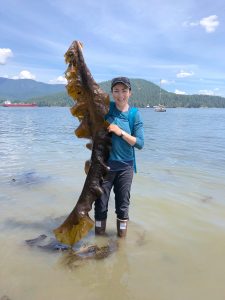
Teaching Interests In all of my UBC courses, I teach aspects of biodiversity: the sheer richness and complexity of life in all its forms, how we document and preserve records of diversity in literal “libraries of life” like the Beaty Biodiversity Museum, why we as a species rely on biodiversity for our very survival and well-being. […]
Robert J. Bandoni
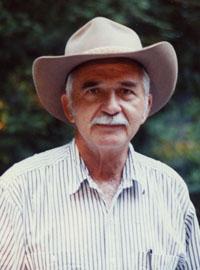
Professor Emeritus Robert (Bob) Joseph Bandoni passed away peacefully on May 18, 2009 at Mountain View Manor Extended Care Unit in Ladner, B.C. Bob was born November 9, 1926 in Weeks, Nevada to Giuseppe and Albina Bandoni, and graduated from high school in Hawthorne, Nevada. He earned degrees from the University of Nevada at Reno […]
Shannon Berch
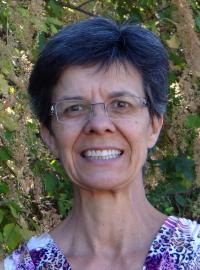
Research Interests A large part of the energy that plants allocate to roots actually supports an intricate web of below ground, largely microscopic, life. In the interface between root and soil (the rhizosphere), interactions between roots, fungi, microarthropods and soil can improve or impair plant growth. Traditional commercial use of the forest of British Columbia […]
Colin Bates
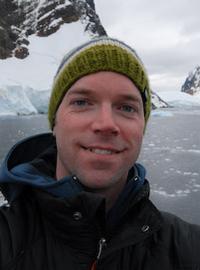
Research Interests I am interested in all aspects of marine ecology, but most of my work has focused on seaweeds. In particular, my research involves understanding the consequences of human-induced alterations in intertidal community structure. This work has two components: a) monitoring for changes in algal communities. This work is taking place in Barkley Sound & […]

Janet Ruth Stein Taylor
ObituaryJanet Ruth Stein Taylor born October 10th 1930 died January 16th 2016 Janet Ruth Stein Taylor was born on October 10th 1930 and raised in Denver CO. She graduated with a BA from University of Colorado (1951), an M.A. from Wellesley College, Wellesley (1953). Her thesis was A Comparative Study of Brachytic and Normal Zea mays. Thesis Supervisor: Dr. Rhoda […]
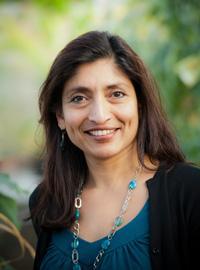
Sunita Chowrira
Teaching Interests “Teaching occurs only when learning takes place.” This statement from Bain (2004) is one of the main guiding principles underlying my learner-centered teaching philosophy, and shapes my practice by paying attention to: “The learning path” shown, was developed within the Flexible Learning initiative, BioFlex pilot (2013 – 2016), to provide a deliberate and integrated framework […]
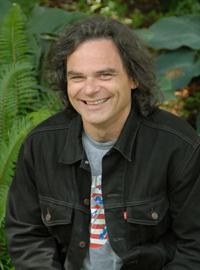
Craig Berezowsky
Teaching Interests Currently my position at the University of British Columbia is to coordinate and teach Biol 234 (Fundamentals of Genetics), Biology 335 (Molecular Genetics) and Biology 344 (Human Genetics). My graduate research included genetic characterization of E.coli minicells during my M.Sc. My supervisor obtained the first patent on a living organism in Canada and […]
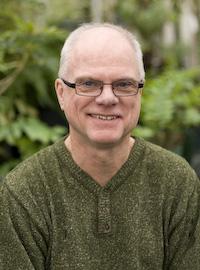
Gary Bradfield
Research Interests My research falls generally in the area of plant community ecology involving the descriptive and correlative analysis of vegetation – environmental relationships. I am also interested in the development of vegetation pattern and organization through time, and in determining the factors that influence community change and the spatial/temporal scales on which they operate. […]
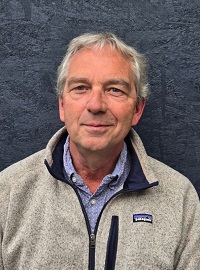
Guus Bakkeren
Research Interests Molecular genetic and cell biological understanding of plant-microbial interactions including attributes that make microbes pathogenic such as pathogenicity and virulence factors including fungal mating systems. Plant responses to infection such as recognition and accommodation of biotrophic fungi. Action of effectors that may jam host defence signalling networks, but also effectors that elicit defense […]