

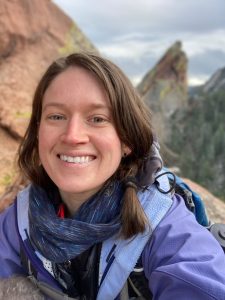
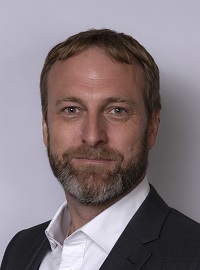
Courtney G. Collins
I am a Climate Change Research Ecologist in the Future Forests Ecosystem Centre (FFEC) at the BC Ministry of Forests and an Adjunct Professor in the Department of Botany at UBC. Research Interest My research takes a data-driven approach to understand the complex and interacting effects of global change on terrestrial biodiversity including species range dynamics, biotic interactions, phenology and plant-soil feedbacks. I combine different methods including field and greenhouse experiments, drone surveys, environmental senor networks and more. I synthesize ecological and environmental data across these multiple sources, as well as from publicly available global climate and trait databases, long-term experimental monitoring networks, environmental DNA sequencing data […]
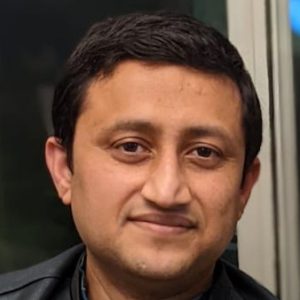
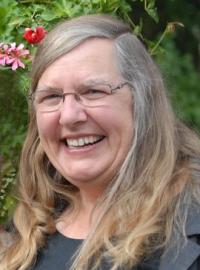
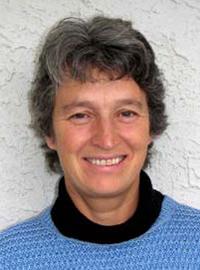
Hélène Sanfaçon
Research Interests My research program is aimed at providing a molecular understanding of the replication cycle of plant viruses, with the long-term objective of designing new antiviral strategies. In particular, we are studying the function of viral proteins and the interaction between viruses and their host plants. Tomato ringspot virus (ToRSV) is a nepovirus and an important pathogen of fruit trees and small fruits in North America. Our laboratory is dissecting various steps of the replication cycle. In recent years, we have (1) examined the function and cleavage site specificity of the viral proteinase; (2) studied the assembly of viral replication complexes […]
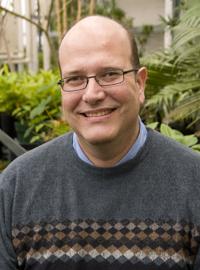

Andrew Riseman
Research Interests My research interests include understanding the role of plant genetics in the design of sustainable production systems, identifying relevant traits useful in these systems, combining them within superior germplasm, and integrating this germplasm into an optimized system. General areas of interest include plant breeding, intercrop interactions, nutrient use efficiency, root physiology, biotic and abiotic stressor resistance, and edaphic selection. Currently, I am focusing on understanding and designing intensive multi-trophic production systems and the re-integration of plant and animal production.
Sandra Lindstrom
Research Interests One of the world’s most complex coasts extends from Puget Sound, Washington, through British Columbia and around the coast of Alaska. Repeated glaciation has acted like a species pump, creating a more diverse marine benthic seaweed flora than one would expect in a region so recently covered by ice. Although this area has been studied by phycologists at U.B.C. since the 1950s, only recently have we had the molecular tools to address unequivocally questions of species limits and relationships and the biogeography of speciation in this environment. These tools have allowed us to recognize species that had previously been […]
Cara Haney
Research Interests Plants depend on their associated microbes for pathogen protection and nutrient uptake Arabidopsis root colonized by beneficial Pseudomonas fluorescens
Shannon Berch
Research Interests A large part of the energy that plants allocate to roots actually supports an intricate web of below ground, largely microscopic, life. In the interface between root and soil (the rhizosphere), interactions between roots, fungi, microarthropods and soil can improve or impair plant growth. Traditional commercial use of the forest of British Columbia has focused primarily on trees, especially trees of known economic value. As societal priorities have shifted and broadened to include many other forest uses and values, there has been an awakening to the diversity of life in our forests and to the impact that forest management […]
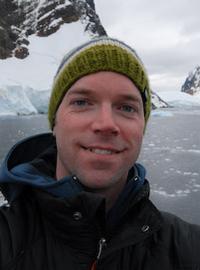
Colin Bates
Research Interests I am interested in all aspects of marine ecology, but most of my work has focused on seaweeds. In particular, my research involves understanding the consequences of human-induced alterations in intertidal community structure. This work has two components: a) monitoring for changes in algal communities. This work is taking place in Barkley Sound & the Broughton Archipelago (British Columbia). As an continuation of my M.Sc work, I am also collaborating with Dr. Gary Saunders to maintain a long-term monitoring program in the Bay of Fundy (New Brunswick). b) using manipulative experiments to determine the ramifications of change in seaweed communities, with specific […]
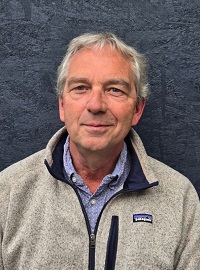
Guus Bakkeren
Research Interests Molecular genetic and cell biological understanding of plant-microbial interactions including attributes that make microbes pathogenic such as pathogenicity and virulence factors including fungal mating systems. Plant responses to infection such as recognition and accommodation of biotrophic fungi. Action of effectors that may jam host defence signalling networks, but also effectors that elicit defense and resistance responses (avirulence effectors). My research program at Agriculture and Agri-Food Canada, Summerland Research and Development Center is geared towards the broader goal of contributing to the efforts to combat biotic stresses in cereal crops. We want to understand plant-pathogen interactions in the leaf rust/wheat […]